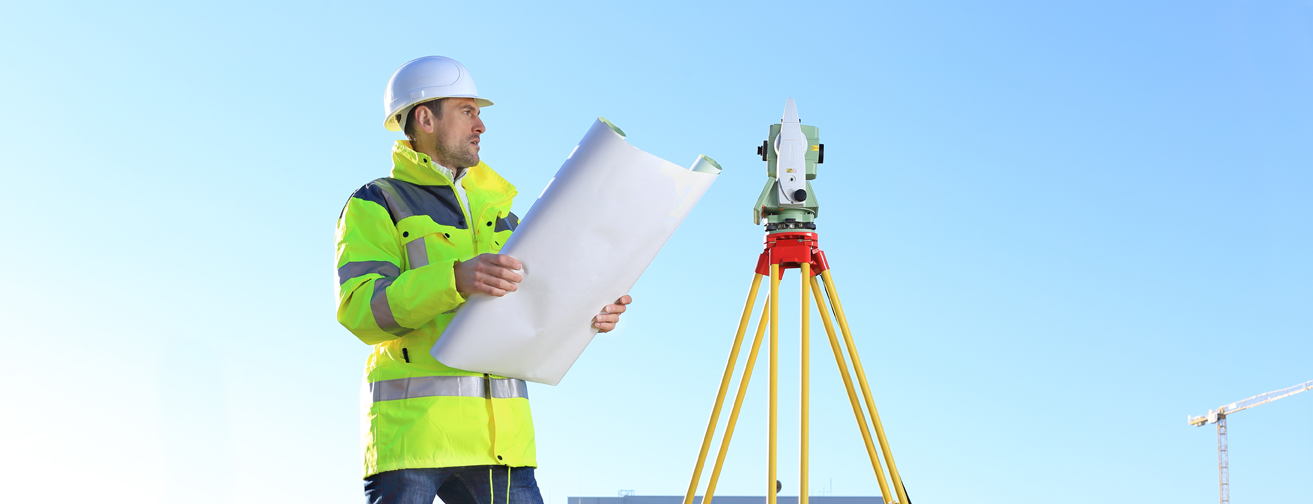
Utility surveys play a crucial part in modern building projects, functioning as a key instrument for identifying subsurface issues associated with different subterranean infrastructure. As construction continues to advance, the necessity for accurate and thorough utility surveys has become more apparent. These surveys help reduce the chance for unforeseen complications that can arise during earthworks and site preparation, thereby saving period and expenses while ensuring the safety of laborers and surrounding infrastructure.
In this publication, we will explore the top practices for carrying out utility surveys and explore their role in preventing financially draining holdups and boosting overall construction efficiency. From understanding the difference between utility surveys and utility mapping to assessing the tools that are shaping the upcoming of these surveys, this manual will provide essential guidance for construction professionals and developers alike. Recognizing when to perform a utility survey and how to choose a qualified survey company can make a substantial difference in the result of any construction endeavor.
Comprehending Utility Surveys
Service surveys are vital evaluations conducted to locate and chart the sites of underground and above-ground service services. These surveys typically cover various infrastructure elements, such as water pipes, electricity lines, fuel mains, and telecommunications cables. The accurate mapping of these services is essential for construction projects, as it helps avoid potential disruptions and risks during excavation and building activities. By applying advanced techniques like Subsurface Penetrating Radar (GPR) and electromagnetic scanning, service surveys provide trustworthy data that supports in formulating informed choices throughout the building process.
The significance of service surveys stems from their capacity to reduce risks associated with concealed utilities. When construction teams are unaware of the precise locations of these services, they may inadvertently damage them, leading to expensive repairs, project delays, and security hazards. Furthermore, infrastructure surveys can boost overall construction site safety by uncovering potential risks before groundworks begin. This proactive strategy not only safeguards workers but also preserves existing infrastructure, ensuring that projects move forward efficiently and successfully.
In addition, service surveys play a critical role in the preparatory stages of construction projects. They provide vital information that supports project design and execution, making them an integral tool for developers and contractors. By grasping Topographic Surveys Leeds of existing utilities, teams can design new buildings or modifications with certainty, avoiding last-minute changes that can disturb timelines and budgets. This detailed understanding of subsurface conditions ultimately leads to more successful project outcomes and helps simplify the construction process.
Importance of Utility Investigations in Building
Underground investigations are essential in construction operations as they aid locate the location and state of subsurface utilities before digging starts. This knowledge empowers building workers to prevent destabilizing existing utility pipes, which can cause unsafe situations, expensive fixes, and significant project delays. By grasping the subsurface infrastructure, builders can organize their activities more efficiently, ensuring a less problematic building procedure.
Carrying out underground assessments is essential for controlling building risks. With reliable data regarding the layout of infrastructure, project managers can arrive at knowledgeable choices on site design and execution methods. This reduces the possibility of encountering unexpected challenges during site work and supports to preserve project deadlines. Furthermore, accurate utility mapping out supports compliance with laws and local ordinances, which is vital for the effective completion of any construction project.
In also to risk control, utility surveys play a major role in boosting security on building sites. They assist discover potential hazards connected with subsurface utilities, allowing workers to take appropriate precautions. By making sure that everyone on site is aware of the position of utilities, the likelihood of incidents is minimized. This attention on safety not only protects employees but also acts to protect the stability of existing utilities, enhancing the overall success of the project.
Top Tips for Carrying Out Surveys of Utilities
To ensure the effectiveness of a utility survey, it is crucial to begin with comprehensive planning and planning. This includes gathering all essential information regarding the location, such as existing utility documentation, maps, and any relevant documentation. Engaging with local utility providers for reliable data can improve the survey's depth. Additionally, establishing a clear outline of work that outlines objectives and specific areas of focus will help simplify the survey process and minimize interruptions.
Employing cutting-edge technologies can significantly improve the accuracy and efficiency of utility surveys. Ground Penetrating Radar (GPR), electromagnetic induction, and other non-invasive methods have transformed how underground utilities are identified. These technologies, coupled with traditional methods, allow for a comprehensive understanding of both surface and underground utilities. It is crucial to choose the appropriate combination of techniques based on the conditions at the site and project requirements to ensure all potential risks are identified.
Finally, cooperation and communication among all participants are vital throughout the utility survey process. Keeping lines of dialogue open between survey teams, contractors, and project managers creates an environment where concerns can be addressed promptly. Additionally, providing a detailed report on the utility survey that includes precise maps and findings will support informed decision-making and contribute to safer construction practices, ultimately lessening the potential for costly delays.