

In the ever-evolving world of architecture, exactness and accuracy are non-negotiable. Measured construction surveys have emerged a cornerstone for architects aiming to develop designs that are not only aesthetically pleasing but also structurally sound and functional. Such surveys go further than basic data; they provide a comprehensive depiction of existing structures, allowing architects to envision and design renovations, extensions, and new constructions effectively. Understanding the intricacies of measured building surveys is imperative for any architect wanting to simplify their projects and achieve the optimal outcomes.
For architects, the value of precise survey data cannot be overemphasized. Measured building surveys support renovation projects by providing dependable information on existing states, which helps to avoid expensive errors and delays during the building process. As technology progresses, the techniques employed in these surveys have become more advanced, with laser scanning and three-dimensional modeling transforming the way buildings are measured and represented. This piece will explore the multiple aspects of measured building surveys, examining their value, advantages, and the function they play in modern architectural work. Whether you are a experienced professional or new to the field, understanding measured building surveys is vital for successful task implementation.
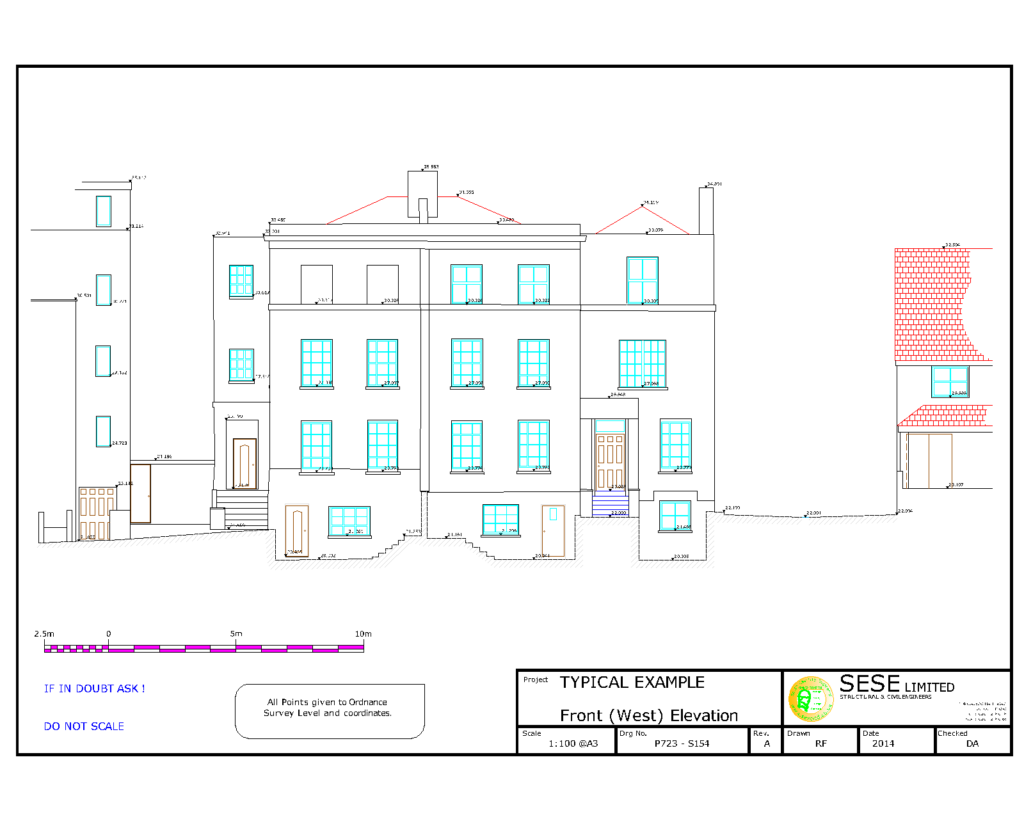
Understanding Measured Building Evaluations
Calculated construction assessments consist of thorough evaluations that document the specific dimensions, design, and spatial dynamics within a site or area. These assessments provide designers and developers with precise details that helps in developing reliable plans. Using sophisticated technologies, like laser imaging and 3D modeling, such evaluations can generate detailed plans and 3D visuals that allow a greater grasp of the built environment.
The value of quantified building assessments is crucial, particularly in remodeling and development initiatives. These surveys act as the foundation for design documents, permitting stakeholders to comprehend the existing condition of a building before any changes are made. With such information, professionals can take informed judgments, minimizing the likelihood of expensive blunders and making sure that changes correspond with both client expectations and legal standards.
Moreover, measured building surveys include a variety of elements, such as layout diagrams, vertical sections, and sections, which offer a comprehensive view of the building's structure. Measured Building Surveys Beckenham London of detail benefits various industries, from commercial building projects to heritage conservation, ensuring that every aspect of the construction is thoroughly noted. Through focusing on precision in quantified assessments, architects can improve their design workflow, finally resulting in enhanced outputs in security, usability, and visual appeal.
Benefits of Measured Surveys for Architects
Measured building surveys provide architects with highly specific data crucial for their designs. By employing these surveys, architects can confidently assess current conditions, leading to more informed decision-making in the design process. This precision helps minimize discrepancies that can arise from relying on obsolete or imprecise information, ultimately enhancing the quality of the architectural plans.
Additionally, measured surveys simplify the renovation and construction processes. With exact measurements in hand, architects can create more effective spatial designs, adjusting layouts to meet client specifications and compliance requirements. The use of innovative technologies like laser scanning and 3D modeling further enhances the ability of architects to visualize projects, allowing them to test with different design elements before completing their plans.
Furthermore, accurate surveyed data can significantly impact deadlines and budgets. By identifying possible issues early in the planning stage, architects can avoid expensive rework and delays during construction. The effectiveness gained from using thoroughly conducted measured surveys contributes to smoother project execution, ultimately resulting in happy clients and favorable architectural outcomes.
Tech Improvements in Surveying
The area of construction surveying has observed notable technological progress, boosting the exactness and effectiveness of data collection. High-res laser scanning is now a standard tool utilized by surveyors to produce detailed 3D models of existing structures. This technology captures millions of data points in a fraction of the time it usually took, providing architects with a thorough and exact foundation to work from when preparing for remodeling or new constructions.
Additionally pivotal development is the merging of Building Information Modeling (BIM) with survey data. This integration allows architects to see the project in a virtual space, allowing it easier to detect potential problems and work together with other involved parties. The incorporation of digital mapping tools also facilitates the process of producing floor plans and sections, ensuring that architects have the most accurate information at their access for making decisions.
In addition, the use of drones in surveying has emerged as a transformative force, especially for extensive properties or hard-to-reach areas. Drones allow aerial surveys that provide a wider perspective, capturing details that ground-based surveys might fail to capture. The power to rapidly gather data from various angles allows architects to improve space planning and design, as they can study site topography and existing conditions in greater detail than before.