

Scaffolding is an essential component of building endeavors, offering vital support and access for laborers to reach heights without risk and efficiently. However, Debris Netting about scaffolding can lead to hazards, inefficiencies, and costly errors. In this article, we aim to dispel frequent myths surrounding scaffolding and provide you with the information you need, whether you are a contractor, a homeowner, or just looking to enhance your understanding of the field.
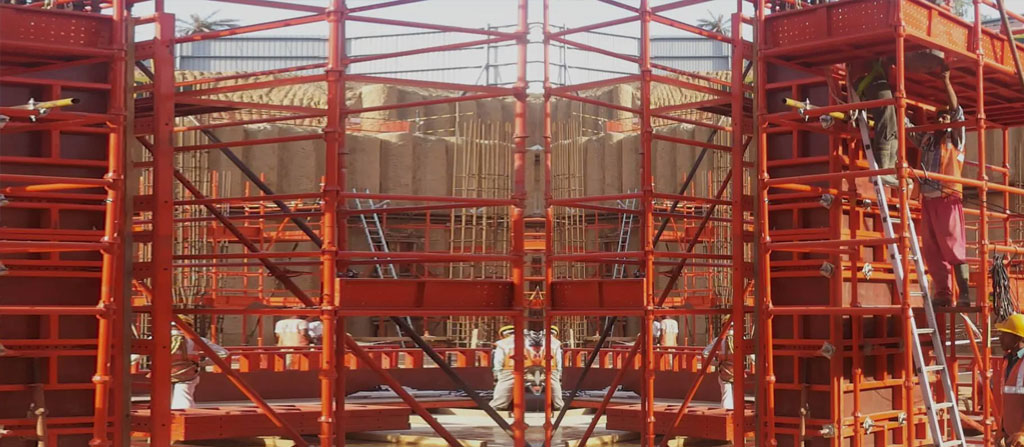
From understanding the different types of scaffolding systems to knowing the critical safety tips for construction sites, this guide will include everything you need to know. We will discuss vital topics such as the importance of professional installation, the impact of weather on safety, and the best practices for home and business projects. By tackling these areas, we hope to arm you with the assurance to make informed decisions about scaffolding, ensuring both safety and efficiency in your construction endeavors.
Important Protection Advice for Scaffold Systems
As engaging on scaffolding, ensuring safety begins with proper training and awareness. Each workers should receive scaffolding training to grasp the risks and best practices related to their use. This training should include the correct methods for assembling, using, and dismantling scaffolding systems, as well as emergency procedures in instances of accidents. Furthermore, site managers should consistently conduct safety meetings to emphasize the importance of safety protocols.
It is essential to perform detailed inspections of scaffolding before each use. This entails checking for stability, confirming that all components are in good condition, and verifying that weight limits are not surpassed. Any indications of wear, damage, or loose fittings should be addressed immediately. Routine inspections help avoid accidents and ensure that safety equipment, such as guardrails and toe boards, is properly installed and maintained.
Environmental conditions can greatly affect scaffolding safety. It is essential to take into account elements such as wind, rain, and ice, which can compromise the stability and safety of the scaffolding. Workers should cease operations during inclement weather and secure the scaffolding to avoid movement or collapse. Implementing weather-related protocols can help preserve a safe working environment, protecting both workers and the integrity of the project.
Choosing the Right Scaffolding Solution
Choosing the appropriate scaffold system for your construction endeavor is important to ensure safety, efficiency, and adherence with standards. Start by assessing the requirements of your project, including the elevation and intricacy of the tasks, the type of materials being used, and the length of the project. Different scaffolding systems, such as framed scaffolding, panel scaffolding, and suspended scaffolding, offer unique benefits tailored for various tasks. An informed choice will not just enhance worker safety but also affect overall efficiency on the job site.
Consider the weight limits and load requirements of the scaffold solution as well. Each type of scaffolding has a specific capacity limit that must be adhered to in to prevent accidents. It's essential to evaluate the equipment and materials that will be on the scaffold to make sure they do not exceed these limits. Additionally, the ground conditions at the location may affect your choices, making it necessary to opt for a solution that offers strength and security on irregular surfaces.
Finally, consult with experts or seasoned scaffold specialists to gain knowledge into the best options for your project. They can provide valuable information regarding area laws and safety requirements critical for safe scaffolding setup. By working with professionals, you can select a scaffolding solution that not only meets your requirements but also complies with mandatory health and security standards, promoting a more secure workspace for everyone.
Scaffolding Rules and Compliance
Navigating the world of scaffolding requires a sharp grasp of the rules that dictate its use. Adherence with health and safety standards is essential for safeguarding workers and securing the success of a project. In many countries, scaffolding rules are supervised by governmental agencies that set forth safety codes, requiring that scaffold systems be designed, constructed, and upheld according to strict guidelines. These regulations encompass multiple aspects such as weight limits, structural soundness, and precautionary measures to avert incidents.
It is essential for contractors and project supervisors to stay informed about regional and federal scaffold rules, as these can vary significantly. Compliance not only aids in avoiding legal repercussions but also enhances the well-being of workers on site. Regular training and updates on these regulations function to keep all parties aware of their obligations. Neglect to adhere to regulations can lead to increased risk in the case of an accident.
Moreover, each scaffold project may necessitate specific permits and evaluations based on the extent of the project and site. Engaging with expert scaffolding services that are well-versed in compliance requirements can streamline this process. They can supply required paperwork and verify that every aspect of the scaffolding setup meets legal guidelines, giving peace of mind and contributing to a safe worksite.