

In the constantly changing world of construction, concrete delivery has undergone significant transformations that enhance efficiency, safety, and precision. One of the most groundbreaking changes is the implementation of concrete pumping, a method that not only streamlines the pouring process but also opens up new opportunities for demanding construction projects. As the need for creative building solutions increases, understanding concrete pumping becomes essential for contractors and builders alike.
Concrete pumping offers numerous advantages over traditional pouring methods, making it a smart choice for a range of projects. From residential homes to massive commercial developments, the ability to deliver concrete quickly and efficiently can dramatically enhance timelines and lower labor costs. In this article, we will explore the many advantages of concrete pumping, delve into how it works, and provide insights into selecting the right equipment for your specific needs. Whether you are a seasoned contractor or a beginner to the construction field, this thorough guide will help you steer through the future of concrete delivery with assurance.
Benefits of Concrete Pumping
Pumping concrete offers significant benefits that can enhance the effectiveness and success of construction endeavors. One of the main benefits is the ability to move concrete to inaccessible areas without the requirement for extensive amounts of manual labor or supplementary equipment. This not only streamlines the pouring process but also minimizes the risk of mishaps on-site. By utilizing concrete pumps, contractors can confirm that even intricate designs or high locations are well serviced.
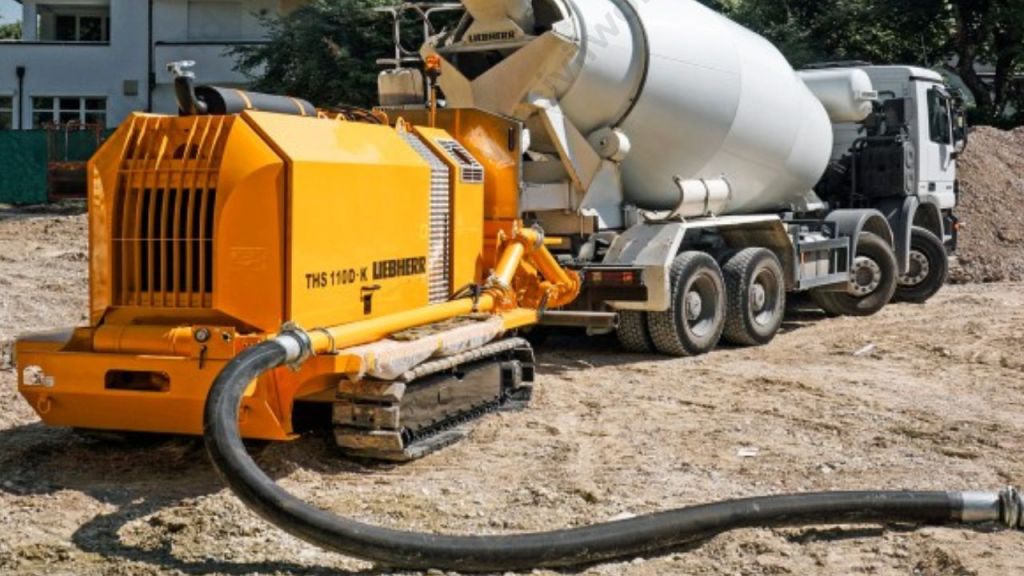
A further important benefit of concrete pumping is the swiftness it offers to construction operations. Compared to standard pouring methods, concrete pumping allows for a quicker placement of concrete, which can significantly shorten project timelines. Quicker delivery means that different contractors can begin their work sooner, which is particularly crucial in massive projects where time is of the essence.. The productivity gained through concrete pumping can also lead to financial savings, as fewer labor is required, and the likelihood of holdups is lowered.
Concrete pumping also encourages superior finishes. With regulated delivery and exact placement, the risk of segregation and other issues linked with conventional pouring methods is reduced. This results in a consistent application of concrete, enhancing the durability and aesthetics of the final product. Moreover, the capability to place concrete in a uninterrupted flow helps in realizing better consolidation, which is crucial for stability and longevity.
Concrete Delivery vs. Traditional Methods
Concrete pumping offers substantial pros over traditional methods for delivering concrete, which typically entail pouring from a vehicle into frames straightaway. A primary benefit lies in the ability to move concrete to hard-to-reach locations. With a pumping machine, the material can be delivered to areas that may not be accessible via traditional trucks, such as high constructions or confined spaces requiring precision placement. Such flexibility cuts time and boosts efficiency, since the need for more machinery or manual labor for wheelbarrowing is lessened.
In addition to accessibility, concrete pumping is generally faster compared to conventional pouring techniques. Conventional approaches can lead to delays due to the need for multiple trucks to carry big amounts of concrete, which can disrupt the flow of work on a construction site. With a pumping system, continuous delivery is achievable, enabling for smooth pouring, which is especially beneficial for extensive undertakings. This efficiency translates to reduced labor costs, as fewer workers are necessary to handle the delivery process and the overall schedule for the project is compressed.
Another significant difference lies in the caliber of the pour itself. The pumping method provides a consistent and controlled and controlled flow, thereby decreasing the likelihood of diminish the likelihood of voids and material segregation. Conventional pouring can result in inconsistent spreads, particularly in complex structures. Through the use of a pump, contractors can achieve a superior finish and stronger structural integrity, leading to a superior end product. Ultimately, even though Concrete Foundations Gargrave North Yorkshire are valid, concrete pumping stands out as a modern solution that enhances the effectiveness, accessibility, and quality of delivering concrete at construction locations.
Determining and Preparing for Concrete Pouring
As you are planning for concrete pumping, choosing the correct kind of pump is crucial for the success of your project. A pair of main kinds of concrete pumps are frequently utilized: lines and booms. Line pumps are often favored for lesser jobs or if the concrete needs be pumped over small ranges, while booms provide the benefit of reaching over barriers and delivering concrete at higher elevations or distances. Take into account the specific needs of your construction site, including the layout and any challenges posed by structures, trees, or barriers, to determine which type of pump will most fit your needs.
Readiness is key to a smooth concrete pumping operation. Prior to the pumping starts, make sure that the worksite is unobstructed and that paths for the pump truck are unobstructed. It is also crucial to secure any required permits and approvals in prior. Effectively coordinating with your concrete supplier and pump driver can help ensure that everything is in place, from scheduling the supply of concrete to verifying the hours of operation for the pump. This communication will minimize delays and assist synchronize understandings for all parties.
Lastly, it is imperative to emphasize safety during the concrete pouring operation. Ensure that all workers on site are aware of the pumping operation, including positions to avoid and emergency procedures. Carrying out a safety meeting before operations begin can help prevent accidents and injuries. Additionally, ensure that the site is adequately marked and that protective barriers are in place where required. By choosing the right equipment and preparing your site carefully, you can enable a successful concrete pumping process that meets your project’s objectives effectively and securely.