

In an era where productivity is more critical than ever, thermal exchangers stand out as vital components across multiple industries. These devices play a significant role in transferring heat between multiple or more fluids, optimizing energy usage while minimizing waste. Understanding what a heat exchanger is and how it works is essential for anyone involved in industrial processes, from production to HVAC systems.
As industries continue to seek creative solutions for their energy requirements, the spotlight is increasingly on the various types of heat exchangers available. From shell and tube designs to plate heat exchangers, each has unique advantages that cater to specific applications. With a keen focus on efficiency, efficient heat transfer, and lowered operating costs, heat exchangers are not just auxiliary components; they are integral to the eco-friendly growth and advancement of modern industry. As we delve into various applications, maintenance practices, and emerging technologies, we discover how these devices can transform operations and aid to a greener future.
Comprehending Heat Transfer Systems
Heat transfer devices are essential components in diverse industrial processes, designed to move heat between multiple fluids while maintaining them distinct. They function a crucial role in enhancing energy efficiency, enhancing the efficiency of systems in sectors such as manufacturing, HVAC, power generation, and even renewable energy. Understanding how heat exchangers work initiates with recognizing the fundamental concept of heat transfer, which entails the transfer of thermal energy from a hotter fluid to a colder one, allowing temperature regulation in a regulated and effective manner.
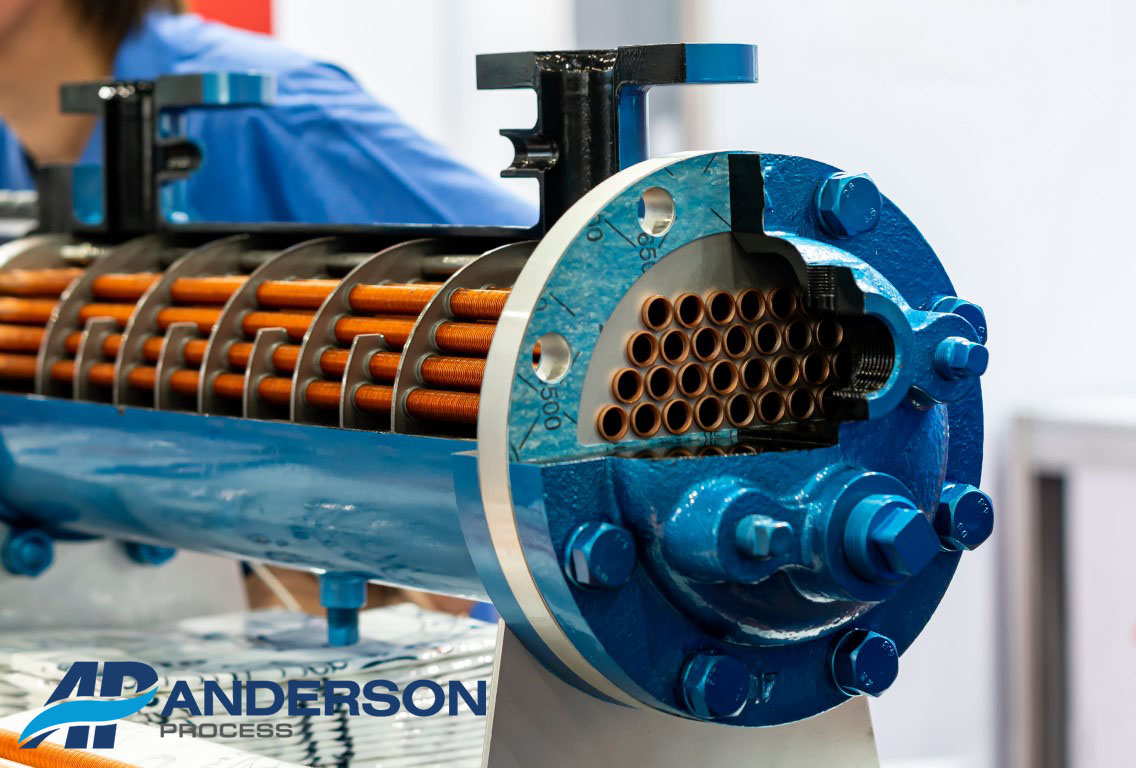
There are several types of heat exchangers, each designed for particular applications and conditions. The leading designs include shell and tube, plate, air-cooled, and water-cooled exchangers. Each type has its distinct pros in terms of space, efficiency, and ease of maintenance. For instance, shell and tube heat exchangers are widely used in power plants due to their rugged design, while plate heat exchangers are favored in food processing for their small size and high heat transfer efficiency. Grasping the variety allows industries to select the most suitable option for their business needs.
Including heat exchangers into industrial systems significantly enhances overall energy efficiency. By recovering waste heat and transferring it to where it can be used, businesses can reduce their energy consumption and diminish operating costs. Moreover, advancements in heat exchanger technology, including improvements in materials and design, continue to push improvements in performance and sustainability. As https://standardxchange.com/ work for eco-friendly practices, the role of heat exchangers in optimizing energy use becomes more and more important, marking them a central point for future development.
Applications and Benefits
Heat exchangers play a vital role across a variety of industries by enabling the efficient transfer of heat between multiple or more fluids. In the chemical processing industry, they are important for processes such as chilling, heating, and condensing, which improve overall production efficiency. In power plants, heat exchangers are key for converting thermal energy into mechanical energy, guaranteeing optimized performance and reduced waste. The food and beverage sector relies on these devices to preserve product quality by accurately controlling temperatures during processing and storage, demonstrating their flexibility across multiple applications.
One of the most significant benefits of using heat exchangers is their ability to enhance energy efficiency. By reclaiming waste heat for reuse, industries can significantly reduce energy consumption and operating costs. This contributes not only to financial savings but also to sustainability goals, as minimizing energy usage directly links with decreased carbon footprints. Moreover, advanced monitoring technologies are allowing real-time assessments of heat exchanger performance, permitting for more tactical decision-making in energy management.
The role of heat exchangers in HVAC systems cannot be overstated. They are essential to regulating indoor climates, providing pleasant living and working environments while optimizing energy utilization. As industries increasingly focus on sustainability, advancements in heat exchanger design are emerging, making them more compact and efficient. These developments are leading for enhanced performance in existing applications, as well as additional opportunities in renewable energy systems and automotive engineering, further underlining the significance of heat exchangers in modern industrial practices.
Upkeep and Innovations
Adequate maintenance of heat exchangers is crucial to securing their performance and durability. Regular cleaning is essential to prevent fouling, which can greatly reduce heat transfer efficiency. Adhering to manufacturer guidelines for maintenance schedules, conducting routine inspections, and monitoring performance metrics can help spot problems early. Furthermore, investing in digital monitoring systems can provide real-time data, allowing for preventive maintenance and reducing downtime.
Developments in heat exchanger technology are constantly transforming their efficiency. The introduction of compact designs, such as micro-channel heat exchangers, offers enhanced heat transfer while occupying less space. Moreover, advancements in materials, including the use of corrosion-resistant alloys and composites, enhance to better durability and performance in challenging environments. These advancements not only deal with space constraints but also minimize energy consumption and operating costs.
As industries become increasingly focused on sustainability, the role of heat exchangers in minimizing carbon footprints becomes more crucial. Developments aimed at enhancing thermal efficiency and decreasing energy loss are key to meeting ecological regulations. By integrating renewable energy sources and advancing designs to better harness waste heat, heat exchangers will play a key role in the transition towards greener operations, making them essential for future applications in multiple sectors.