

In terms of safeguarding your boat, a key the most crucial investments you can make is a high-quality boat cover. Using the correct cover, you can shield your vessel from the elements, prevent damage, and extend its lifespan. As new developments in material technology keep evolving, the world of boat covers is evolving, offering more options than ever before. In this article will discuss the innovative materials defining the future of boat covers, as well as handy tips for choosing the right one for your needs.
Starting with traditional canvas to advanced synthetic fabrics, comprehending the various materials available can make a big difference in the protection and functionality of your boat cover. Taking into account waterproofing, UV resistance, and ease of maintenance, you can guarantee that your investment remains protected against severe weather conditions. If you are a seasoned boater or a new enthusiast, finding your way through the choices in boat covers has never been important. Let’s take a deeper look at the ultimate guide for boat covers and learn how these innovations are transforming the way we safeguard our cherished watercraft.
Picking a Right Vessel Protective Cover
As you choosing a boat cover, your first step is to comprehend the specific requirements of your boat. Factors such as the type of boat, size, and its surroundings in which it will be utilized play crucial roles in the decision. Decide whether the boat will be stored in a marina, on a trailer, or outdoors, as this will affect the fabrics and style of the cover needed.
Next, think about the material options that are available. Boat covers come in various fabrics, each with distinct benefits and disadvantages. For instance, canvas offers strength and breathability, while polyester offers water repellence and UV protection. Evaluate the conditions your boat will face, such as heavy rain or intense sun exposure, to select a cover that most effectively protects your investment from such elements.
Finally, think about the fit. A snug cover is essential for effective protection against moisture, debris, and UV rays. You may opt for custom covers designed to your boat's exact measurements or one-size-fits-all options that offer versatility for different sizes. No matter which you choose, ensuring a snug fit will stop flapping while traveling and reduce the likelihood of wear and tear over time.
Comprehending Vessel Cover Fabrics
Choosing the appropriate fabric for your marine cover is essential for guaranteeing protection against the environment. Vessel covers are typically made from a range of substances, which include polyester, canvas, and PVC. Polyester is a popular option due to its long-lasting nature and flexibility. It offers excellent protection to UV rays and is usually treated for hydrophobic properties, making it a superb option for both marine environments. Cotton canvas, even though historically used, is bulkier and may require more care, but it provides a traditional look and strong protection against deterioration.
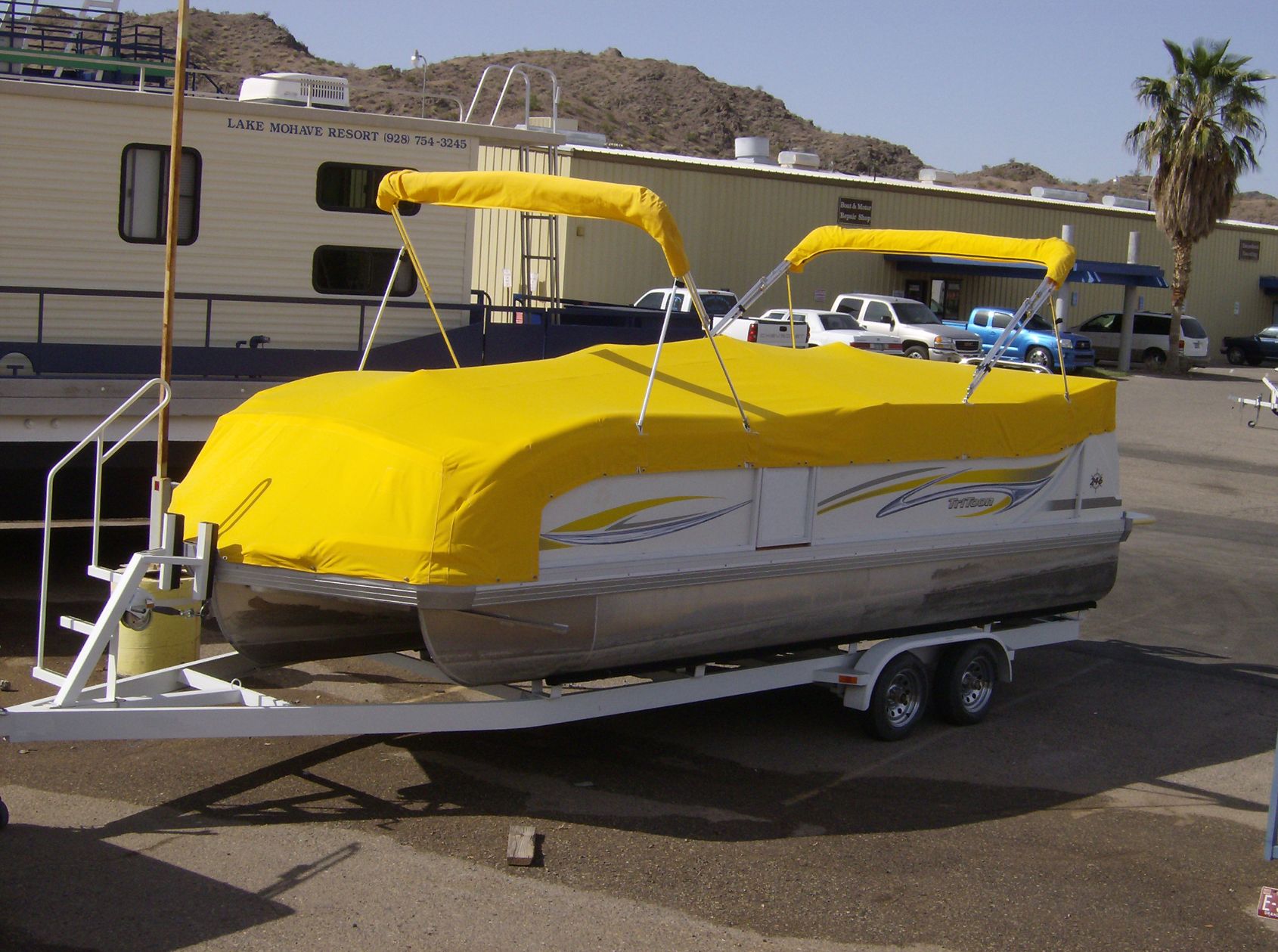
PVC marine covers are another option chosen for their water-resistant qualities. They can successfully keep moisture at bay, which is important for stopping fungus and foul odors growth. However, PVC can be more airtight than other fabrics, causing condensation underneath the cover if not adequately circualted. It's important to consider the weather where you sail, as this will affect where a ventilated fabric like nylon might be preferable than a fully waterproof option.
In recent years, advancements in fabric technology have resulted in new substances that combine the best features of these conventional options. Some current vessel covers are designed with advanced synthetic blends that boost durability while remaining light. These substances often include fungus and UV inhibitors, ensuring durability and protection without the bulk of classic cotton canvas. As marine cover technology continues to progress, marine enthusiasts have access to options that not only defend their vessels but also meet individual requirements and preferences.
Maintenance and Maintenance Advice
To guarantee the durability of your cover for your boat, regular cleaning is crucial. Use a mild soap and water solution to remove grime, particles, and marks. Rinse well and let it completely dry prior to storing. Avoid using aggressive chemicals or rough materials, as these can harm the fabric and reduce its protective features. Keeping the cover tidy not only boosts its aesthetic but also aids maintain its performance against the elements.
Proper storage of your cover for your boat when not in use can greatly prolong its life. Make sure the cover is completely dry prior to folding it to prevent mildew buildup. Store it in a cool, arid place, ideally in a breathable container. Avoid packing the cover too firmly, as this can result in folds and injury. If your cover has a policy, check with the seller for any particular storage guidelines.
Review is key to keeping your cover for your boat's efficacy. Consistently check for any indications of wear, such as rips or fraying seams. Resolve minor damage without delay with appropriate repair methods, like material patches or water-resistant seam tape, to stop further decline. By being forward-thinking in https://boatcoverslancashire.co.uk/ , you can preserve your purchase and keep your boat cover in top condition for years to follow.