

Recently, the use of AdBlue has become an essential part of diesel vehicles, mostly intended for decreasing harmful emissions and adhering to stringent environmental regulations. However, numerous diesel vehicle owners and fleet managers are increasingly considering an AdBlue delete. This contentious practice involves eliminating or turning off the AdBlue injection system, which can have major consequences for vehicle performance, compliance, and maintenance. As the automotive landscape changes, grasping the effects of an AdBlue delete is important for anyone looking to enhance their diesel vehicle.
This article will explore the complexities surrounding AdBlue deletes, discussing the pros and cons for diesel vehicles, usual challenges that cause this decision, and the impact on overall performance. We will also evaluate the AdBlue delete option against restoration options, giving information about whether such a modification truly enhances fuel efficiency or only provides a quick remedy to ongoing issues. For fleet owners, grasping the implications of these decisions is vital to maintaining vehicle reliability and compliance, ensuring their operations operate efficiently while adhering to environmental standards.
Comprehending DEF Disables
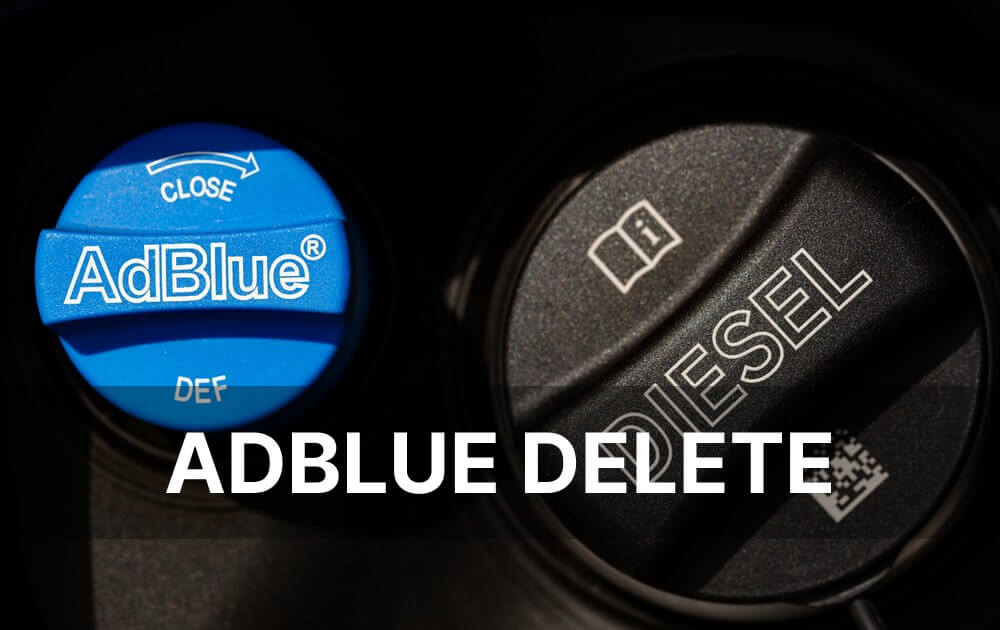
Deleting AdBlue refers to the procedure of eliminating the AdBlue system in diesel vehicles. AdBlue is a solution used in selective catalytic reduction systems to reduce nitrogen oxide (NOx) emissions. By disabling this system, some vehicle owners assume they can enhance efficiency or bypass the complications associated with AdBlue failures. However, AdBlue Delete Milton Keynes can lead to law-related and ecological issues, as contemporary diesel regulations mandate the use of AdBlue to meet emission regulations.
Many drivers face problems with their AdBlue systems, such as clogged injectors, solidification of the liquid, or issues in the control unit. These malfunctions can set off warnings and reduce the vehicle's performance, leading some to consider an AdBlue Delete as a fast fix. While this may seem like an appealing option in the immediate, it's essential to realize the potential long-term consequences. Removing the system can lead to higher emissions and may also violate local laws.
Additionally, there are some misconceptions regarding AdBlue Deletes that need to be addressed. For instance, altering the emissions system can damage other components of the vehicle and invalidate warranties. Diesel engines are designed to work with the emissions systems in place, and deleting these systems can create disruptions in engine operations. Recognizing the effects of an AdBlue Delete is vital for any diesel vehicle owner considering this choice.
Consequences on Vehicle Capabilities
The decision to remove the AdBlue system from a diesel-powered vehicle can have significant implications for its total performance. One of the immediate effects often reported by operators is a change in accelerator response. With the AdBlue removal, some drivers report a faster acceleration as the engine management system is no longer constrained by pollution regulations. This modification can create a sense of enhanced power delivery and responsiveness, leading to a richer driving experience.
However, the benefits of enhanced performance may come with trade-offs. The AdBlue system is designed to function in tandem with Selective Reduction (SCR) systems that help lower NOx emissions from diesel-powered engines. By removing the AdBlue system, vehicles may experience an escalation in engine soot and particulates, which can ultimately lead to a dirtier exhaust and likely long-term damage to the motor components. This could result to high repairs down the line and might affect the dependability of the automobile.
Furthermore, deleting the AdBlue system can result to legal and adherence issues, particularly for fleet operators and business vehicles that must adhere to certain emissions standards. Non-compliance can cause penalties and limitations on vehicle use, which may outweigh any performance improvements achieved through the removal. In many cases, the long-term implications of an AdBlue delete could negate any temporary performance improvements, making it a determination that requires meticulous consideration.
Care and Troubleshooting
Consistent upkeep of the AdBlue system is vital for avoiding issues that can disrupt your diesel vehicle's performance. Vehicle operators should adopt a systematic check of the AdBlue fluid level, ensuring it is in the recommended limits. Additionally, inspecting the AdBlue injector and pump for any signs of wear or leaks can help catch problems early. This proactive approach decreases the risk of downtime due to AdBlue system failures.
When diagnosing an AdBlue system, common alert messages can lead drivers to the source of the problem. If warning lights show up on the dashboard, such as the AdBlue low warning or malfunction indicator light, swift action should be taken. Utilizing diagnostic tools can identify the exact failure within the system, whether it is related to the SCR components, the tank, or fluid quality. Resolving these issues promptly can avert more costly repairs later on.
Grasping the effects of environmental factors, like cold weather, on the AdBlue system can also aid in effective maintenance. In colder climates, drivers should make sure that the AdBlue solution does not freeze, which can cause freezing and blockages. Applying additives designed for low temperatures or parking vehicles in sheltered areas can help lessen these risks. By prioritizing these maintenance and troubleshooting practices, diesel vehicle owners can enhance the lifespan and reliability of their AdBlue systems.