

In today’s fast-paced business environment, the washroom is often an neglected area when it comes to upholding a businesslike and clean atmosphere. Nevertheless, washroom consumables play a vital role in influencing not just the cleanliness of facilities, but also the overall experience for employees and guests alike. Grasping the essentials of washroom consumables is vital for any contemporary workplace, as it has a direct effect on hygiene standards, occupational health and safety, and even client satisfaction.
As we explore the basics of washroom consumables, we'll explore how to select the appropriate products for your facility, from soaps and hand sanitizers to disposable towels and toilet tissue. We’ll also emphasize the significance of sustainability, budget considerations, and best practices for supplying high-traffic areas. Whether you are in charge of a business office, a medical center, or a hospitality environment, being informed about the current trends and innovations in washroom consumables is key to ensuring a clean, effective, and inviting space.
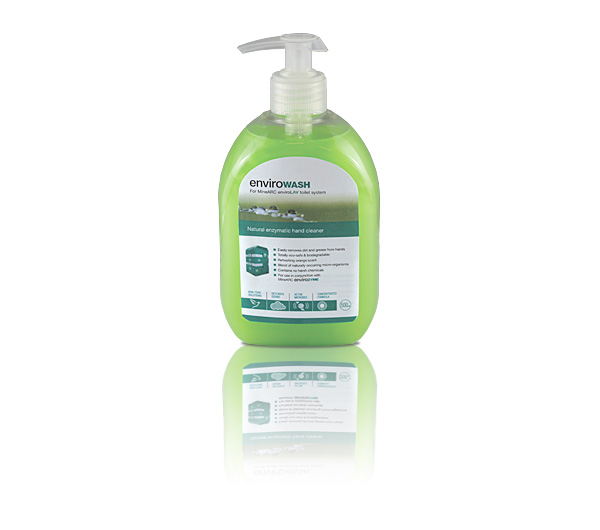
Selecting the Right Restroom Supplies
Selecting the appropriate washroom consumables for your facility is essential in maintaining hygiene standards and providing a positive experience for users. Begin by analyzing the distinct needs of your business, which will change based on elements such as the type of industry, foot traffic volume, and particular user demographics. For instance, busy areas may require more durable and efficient products, while a luxury spa might prioritize premium, eco-friendly options to improve the customer experience.
Consider the different types of consumables needed in your washroom. Essentials typically include loo roll, soap, hand towels, sanitizers, and feminine hygiene products. Every of these items plays a key role in hygiene and overall satisfaction. Evaluate the quality and brand of each product, as using high-quality consumables can greatly elevate hygiene levels and reduce the chances of complaints from employees and customers alike.
Lastly, take into account sustainability when selecting your washroom consumables. Selecting for eco-friendly products not only helps environmental initiatives but can also appeal positively with both staff and clientele who emphasize sustainability. Look for labels or tags indicating that products are derived from recycled materials or are environmentally friendly. By aligning your choices with sustainable practices, you can boost your brand image and contribute to a better planet.
Eco-Friendly and Budget-Friendly Options
Companies today are increasingly recognizing the significance of eco-friendliness in their practices, notably when it comes to restroom products. Selecting green products, such as environmentally friendly paper towels and recycled toilet paper, can greatly reduce the environmental impact of a business. Washroom Consumables Birmingham help in preserving natural resources but also appeal to consumers who emphasize sustainability in their spending decisions. By selecting environmentally responsible choices, businesses can also demonstrate their dedication to environmental responsibility, potentially enhancing their reputation.
Affordability is a key factor for any company, and sustainable restroom consumables can offer long-term cost reductions. While the initial expense in green options may be more, the overall financial outlay can be offset through lowered waste and lower disposal fees. For example, using reusable soap and sanitizer dispensers contributes to minimized packaging waste and cuts down on repeated purchases. Furthermore, many sustainable choices are designed to be more robust and effective, causing less usage and more significant savings in the long run.
To optimize both eco-friendliness and cost-efficiency, organizations should review their current procurement process for restroom products. This can consist of bulk buying sustainable options and negotiating better deals with vendors who favor eco-friendly choices. Incorporating hands-free dispensers not only enhances hygiene but can also reduce the quantity of supplies used, cutting expenses. By making knowledgeable decisions about consumables and adopting sustainable approaches, businesses can find a better balance between their eco-friendly objectives and budgetary constraints.
Impacts on Hygiene and Customer Experience
The standard of washroom supplies directly affects hygiene standards in any establishment. By choosing high-quality items, such as antibacterial soaps and effective sanitizers, businesses can substantially minimize the transmission of bacteria and ensure a tidier environment. Consistently replenishing these essential items ensures that users have access to necessary hygiene products, which is vital for preventing illnesses and promoting overall health. Facilities providing superior washroom consumables show a commitment to hygiene that resonates with customers and employees as well.
In addition, the selection and handling of washroom consumables are crucial in influencing user experience. Tidy and well-stocked washrooms create a good impression, showing the organization’s attention to specifics and care for its patrons. On the other hand, inadequate supplies or poor products can frustrate users and lead to negative views. For companies in the hospitality sector, retail, or any client-focused industry, ensuring a pleasant washroom experience can improve satisfaction and promote repeat visits.
Additionally, integrating touch-free solutions and eco-friendly options into washroom consumables can elevate the experience even further. Customers are increasingly looking for convenience and sustainability in their choices. Touch-free dispensers for soap and paper towels not just reduce contact but also reduce the risk of cross-contamination, thereby reinforcing hygiene. By being attentive of customer preferences and investing in cutting-edge washroom consumables, businesses can create an appealing atmosphere that enhances their reputation and fosters customer loyalty.