

Navigating the pre-owned car industry can seem intimidating, especially with the myriad of options available and the varied range of elements to take into account. Whether you are a new buyer or seeking to trade in your previous vehicle, it's important to be aware what to search for to make sure you achieve a sound investment. In 2026, the used car landscape is increasingly dynamic than before, with developments in tech and changing market trends influencing choices accessible to consumers.
In this comprehensive guide, we'll share best tips for locating dependable used cars on a tight budget, tips on how to inspect vehicles prior to making a purchase decision, and guidance into financing options suitable for beginners. From understanding the variations between certified and non-certified cars to understanding the ideal moments to buy, our thorough insights will equip you to carry out wise decisions. We will explore the basics of purchasing a used car and help you through this arena with confidence.
Best Advice for Identifying Dependable Used Cars
When seeking dependable used cars, start by doing thorough research on various makes and models. Look for vehicles that have a track record for reliability and minimal maintenance expenses. Platforms that provide consumer reviews can be invaluable in assisting you in recognizing which cars consistently meet expectations over time. Additionally, consult resources like J.D. Power to find detailed insights into the vehicles you are considering.
Once you have a shortlist, it's important to inspect each used car meticulously. Check for signs of wear and tear, both inside and out. Look for corrosion, marks, or dents that might indicate previous damage. Under the hood, check the engine and other components for any leaks or irregularities. Don't hesitate to take the car for a trial run to assess its functionality. Pay attention to how it handles, brakes, and gains speed, and listen for any odd noises.
Finally, obtaining a vehicle history report is essential. This report can reveal critical information about the car's history, including accidents, title problems, and service records. A clean history report is a strong indicator of a dependable vehicle. Don't skip this step; it can save you from making a costly mistake. By combining thorough investigation, careful inspection, and obtaining a vehicle history report, you'll significantly increase your chances of finding a dependable used car that meets your requirements.
How to Examine and Talk about Used Vehicles
As you examining a used car, commence with a detailed exterior inspection. Watch for any signs of damage such as blemishes, marks, or corrosion. Inspect the condition of the tires; uneven wear can point to alignment issues. Then, focus on the interior, inspecting for wear and tear on the seating, control panel, and controls. Make sure that all functions, like air conditioning and navigation devices, function properly. Be patient during this check to achieve a full understanding of the vehicle’s health.
After that, you should test the car for a test drive. This is vital for determining how the vehicle drives on the road. Notice sounds from the engine, braking smoothness, and alignment. Test drive on different road types to spot any performance problems. Additionally, it may be wise to have a qualified mechanic perform a pre-purchase inspection, as they can detect hidden problems that may not be visible during your assessment.
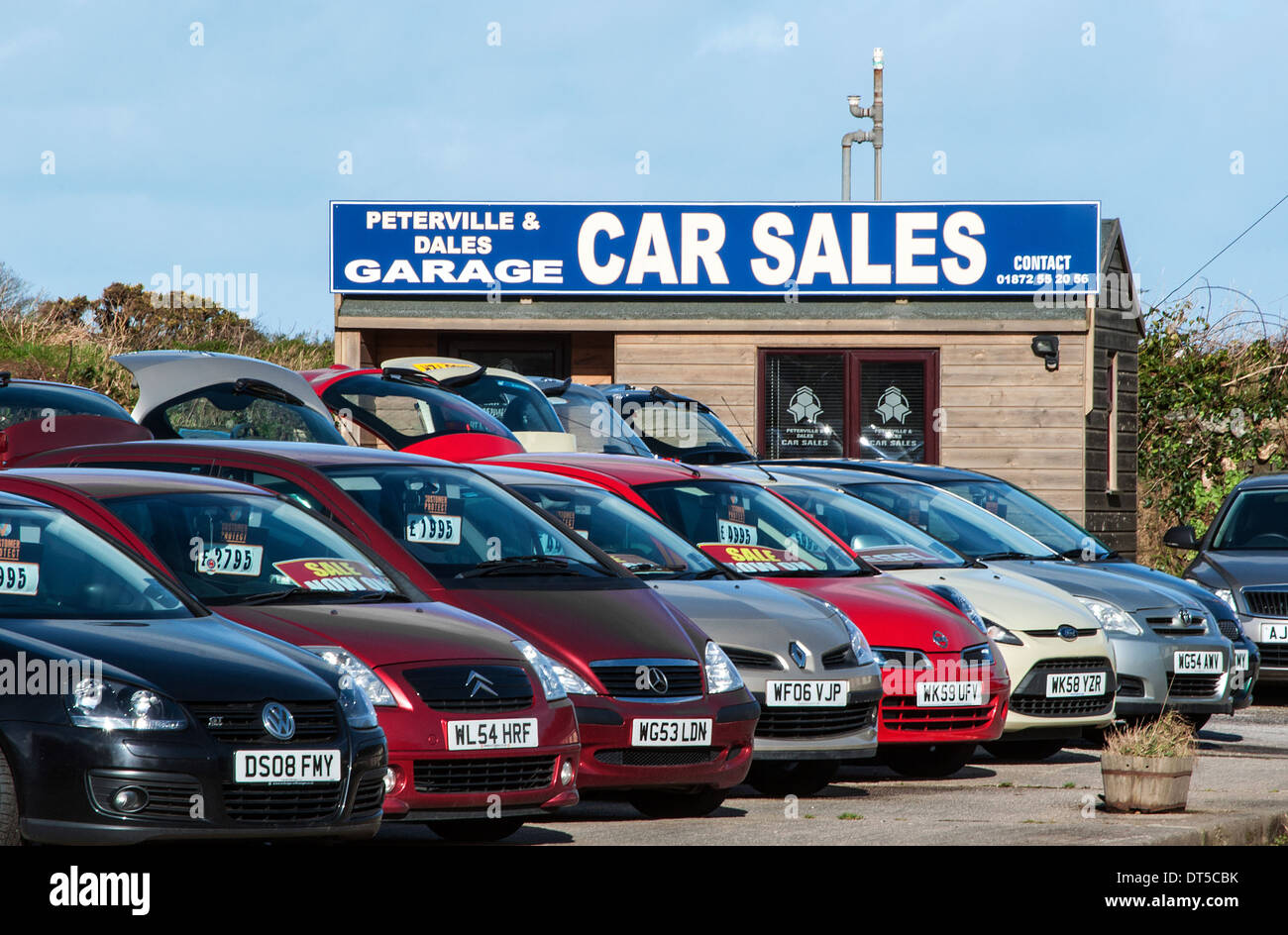
When it comes to negotiating, be ready with details about the car’s worth and any observations from your inspection. Use this information to justify your offer. Be Used Cars For Sale but firm, and don’t be afraid to walk away if the deal doesn't meet your budget or expectations. Point out any imperfections or needed repairs you discovered as leverage in negotiations. Bear in mind that patience is key; sometimes, the best deals come after several talks.
Navigating Funding and Coverage for Second-Hand Cars
Regarding funding a used car, it's essential to explore all your possibilities. Many buyers select standard bank loans, credit unions, or dealership loans. Each choice has its advantages and disadvantages, so it's advisable to compare. Pay attention to interest rates, loan terms, and any charges associated with the loan. Establishing your financial limits will help you prevent overextending your financial resources too much, especially with ongoing costs like insurance, maintenance, and fuel.
Extended warranties are an additional consideration for pre-owned vehicle buyers. While they can give peace of mind, it's crucial to consider whether they are a good investment. Some second-hand cars come with short-term warranties from the dealer or manufacturer, and understanding what is covered can help you decide better. It's also essential to read the fine print of any additional coverage options to ensure they cover key components and do not have unreasonable exclusions.
To wrap up, make sure to assemble all necessary paperwork during the loan process. This includes income verification, a list of debts, and any necessary credit history. Having this information readily available can streamline the approval process and may help you secure better terms. Additionally, recognizing the specific warranty options available can make a significant difference in your complete happiness with your buy, allowing you to appreciate your second-hand car with peace of mind.