

As the sweltering heat from the summer just around the corner, ensuring that AC unit remains in top shape is a priority for numerous property owners. A properly cared for AC unit not just keeps your house cool and comfortable but serves a key part in enhancing indoor air quality and energy use. Knowing how to maintain your unit can greatly lengthen its lifespan and enhance the performance, which saves you cash on utility costs in the process.
In this article explores important maintenance tips that all property owner should know to keep their air conditioning systems operating efficiently. Including identifying the signs that it may be time for a new unit to seasonal maintenance guides, this article covers everything you need to make sure your unit is functioning at its best. Regardless of whether you have a traditional AC system or a ductless unit, these insights will help you make wise decisions about your cooling system while optimizing its efficiency and comfort level in your house.
Choosing the Right Air Conditioning Unit
Choosing the right air conditioning unit for your home involves taking into account several important factors that can considerably impact your comfort and energy efficiency. To start with, assess the area of your space. An air conditioning unit that is undersized will struggle to cool your home effectively, while one that is oversized can lead to inefficient operation and increased energy costs. To determine the appropriate size, seek advice from an HVAC professional or use internet calculators that consider the square footage of your home, ceiling height, and insulation quality.
A further important consideration is the kind of air conditioning unit that most suits your needs. Central air conditioning systems are perfect for larger homes or those needing consistent cooling throughout multiple rooms. On the other hand, ductless air conditioning units offer versatility and can be more energy-efficient for tiny spaces or homes without existing ductwork. Air conditioning units Felling are another option, offering mobility but often reduced cooling power compared to central or ductless systems.
Lastly, consider the energy efficiency of the units you are assessing. Look for models with high Seasonal Energy Efficiency Ratio (SEER) ratings, which indicate better performance and lower operational costs. Additionally, options like smart thermostats can improve energy savings by allowing you to control the temperature remotely and schedule cooling times based on your lifestyle. By considering these aspects, you can pick an air conditioning unit that fulfills your cooling needs while being mindful of energy consumption and operational expenses.
Maintenance and Troubleshooting Tips
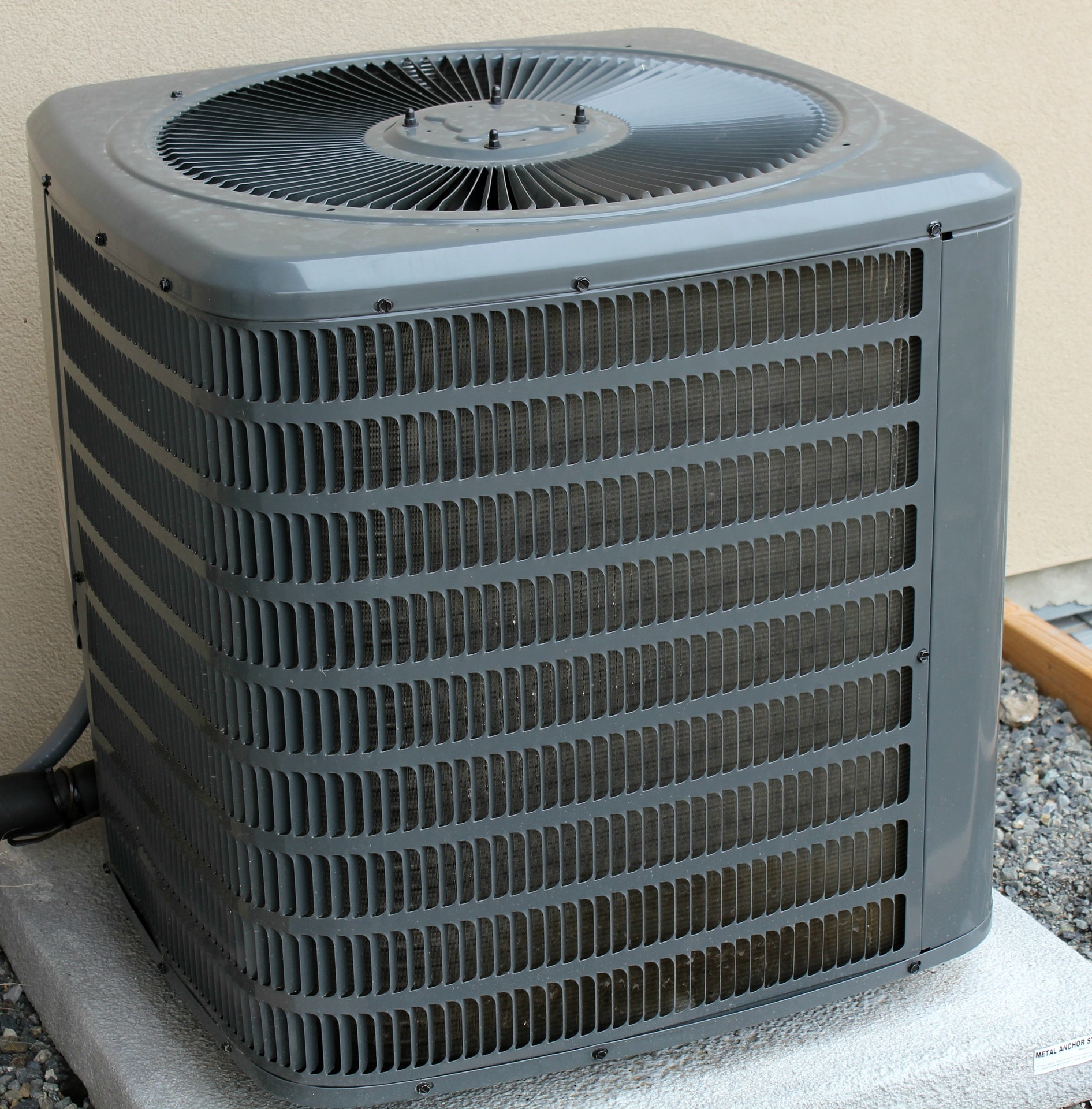
Regular care is essential for the best performance of air conditioning units. Start by sanitizing or changing air filters every single one to three, based on usage and filter type. Clogged filters can limit airflow, leading to diminished efficiency and higher energy bills. Additionally, make sure that the outdoor unit is unobstructed by debris, such as foliage or dirt, which can obstruct airflow and impact cooling performance.
One more key aspect of maintenance involves monitoring the refrigerant levels. Low refrigerant can indicate leaks and will not only affect cooling efficiency but also potentially harm the unit. If you suspect low levels, it is wise to contact a specialist for a comprehensive inspection. Keeping the coils clean is also critical, as dirt can accumulate and hinder the heat exchange process, causing higher energy consumption.
When troubleshooting issues with air conditioning units, be mindful to odd noises or odors that may indicate problems. If the unit is not cooling effectively, check the thermostat settings and ensure that the unit is set to the cooling mode. If issues persist, refer to the user manual for any error codes or malfunctions. Keep in mind, when in doubt, asking for professional assistance can save both time and costs in the long run.
Energy Conservation and Installation Factors
When selecting an air conditioning unit, energy efficiency should be a primary concern for homeowners. Units with superior Seasonal Energy Efficiency Ratio (SEER) ratings consume less electricity while providing the same cooling power. This not only reduce energy bills but also lessens environmental impact. It's wise to consider models that meet the Energy Star certification, as they indicate excellent energy performance. Purchasing energy-efficient units can lead to significant savings over time, making them a smart choice for both the budget and the planet.
Proper installation plays a critical role in the effective operation of air conditioning units. Engaging professional installation services can ensure that the unit is properly set up, including accurate sizing, refrigerant charging, and airflow management. Poor installation can lead to a host of issues, including decreased efficiency, increased energy consumption, and even a diminished lifespan for the unit. Additionally, installers can provide valuable insights on positioning the unit to enhance airflow and reduce energy loss.
Homeowners should also consider the future implications of their air conditioning unit selection. Factors such as maintenance requirements, expected lifespan, and potential for future upgrades need to be factored into the decision. Selecting a trustworthy brand with a good warranty can provide peace of mind. Furthermore, taking the time to research financing options might make higher-end, energy-efficient models more accessible, allowing homeowners to enjoy comfort without sacrificing their financial health in the long run.