

Within the ever-evolving landscape of commercial air conditioning, companies need to go beyond fundamental understanding to truly utilize the potential of these systems. While selecting the appropriate air conditioning units might seem straightforward, advanced techniques can significantly enhance efficiency, energy efficiency, and occupant comfort. This guide aims to provide you with essential insights into improving your commercial air conditioning, making sure your business not only meets regulatory standards but also supports a productive environment for employees and customers alike.
As you navigate the complexities of commercial air conditioning systems, understanding the key differences between commercial and residential solutions is crucial. From energy efficiency tips to the importance of routine maintenance, there are many factors that play a role in the overall efficiency of your air conditioning system. By exploring innovative technologies and optimal practices, your organization can reap the benefits of improved air quality, reduced energy costs, and a more comfortable space, all of which contribute to a prosperous business atmosphere.
Opting for the Appropriate Commercial AC System
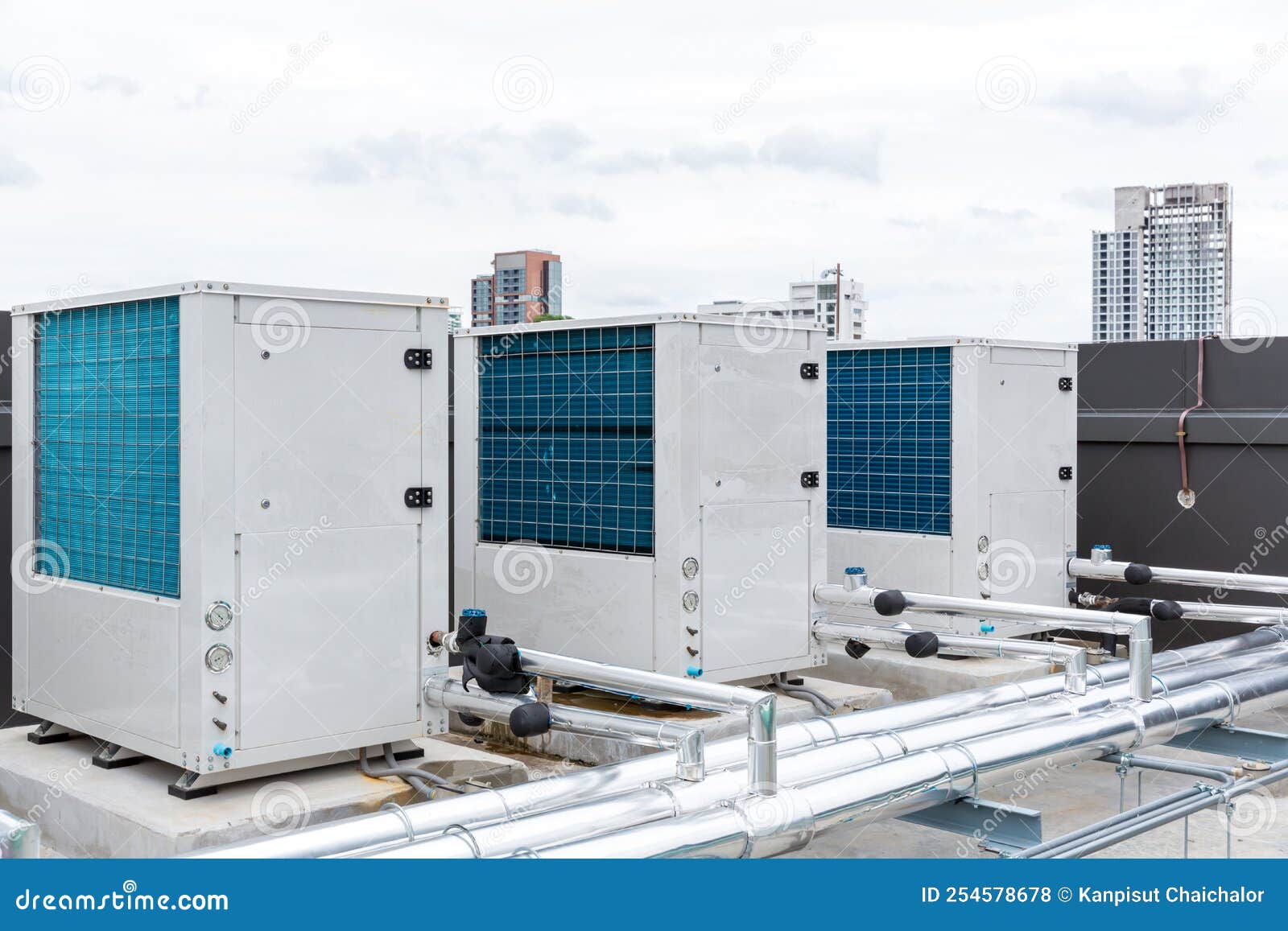
Choosing the appropriate commercial air conditioning system for your business is crucial to maintain ease and efficiency. Commence by evaluating the scale of your space, as various systems have different capacities. For dublin city roofers , alternatives such as Variable Refrigerant Flow systems can deliver adaptability and efficiency, while rooftop units might be perfect for smaller areas that need a compact solution. Consider your specific cooling needs, such as the layout and population of the area, as these elements influence the type of system that will work most effectively.
Energy effectiveness should be at the center of your selection criteria. Search for systems with high Energy Efficiency Ratio (EER) or Seasonal Energy Efficiency Ratio (SEER) ratings, as these metrics demonstrate the system’s ability to cool efficiently. Recognizing your local climate is also important; systems engineered for humid areas will differ from those intended for desert climates. Incorporating advanced technology, such as advanced thermostats and temperature zoning, can enhance effectiveness and enable more precise temperature control.
Finally, cost factors cannot be overlooked. The first cost of installation, along with ongoing maintenance and energy consumption, should be part of your decision. While high-efficiency systems may have a higher upfront cost, they can lead to significant savings on energy bills over time. Working with a trusted commercial air conditioning contractor can aid in selecting the best system that satisfies both your business requirements and financial constraints.
Energy Saving and Care Hacks
Improving the energy saving potential of your commercial air conditioning unit can lead to significant cost savings and a smaller environmental footprint. One of the simplest ways to boost efficiency is by ensuring consistent maintenance. This comprises changing or maintaining filters monthly during peak usage seasons, inspecting and sealing ductwork to prevent leaks, and maintaining outdoor units free of debris. By maintaining your system, you not just improve its performance but also prolong its lifespan.
Another effective strategy consists of switching to energy-efficient models when the time comes for a replacement. Consider systems with elevated Seasonal Energy Efficiency Ratio (SEER) ratings, which represent better energy performance. Incorporating smart technology, such as programmable thermostats, can further optimize energy usage by enabling precise temperature control and timing based on occupancy patterns. This can greatly reduce unnecessary energy consumption.
Ultimately, consider integrating further technologies like variable refrigerant flow (VRF) systems that provide individualized comfort throughout more expansive spaces while maximizing energy efficiency. Proper insulation and the use of eco-friendly refrigerants also play important roles in enhancing the overall efficiency of your air conditioning system. Frequent reviewing utility bills for unexpected spikes can help identify inefficiencies in your AC system, prompting timely interventions to ensure peak performance. Comprehending Commercial AC Technologies
AC solutions have evolved significantly, featuring various cutting-edge approaches designed for improved efficiency and effectiveness. One of the most notable advancementss includes the implementation of Variable Refrigerant Flow (VRF) along with Variable Refrigerant Volume (VRV) systems. These solutions enable accurate climate management across several zones, making them ideal for extensive commercial spaces where different areas might have varying cooling needs. With the ability to altering the flow of refrigerant according to requirements, businesses are able to achieve notable cost reductions, leading to reduced overhead.
Additionally noteworthy development in business AC technology features the integration of intelligent systems and automation. A lot of current systems now come with automated climate controls and building automation systems which allow operators to remotely monitor and control their HVAC systems. Not only does this improve efficiency of operations and also provides the means for predictive maintenance, allowing you to detect possible problems before they worsen. Thus, organizations are able to reduce disruption while also extend the longevity of their systems.
Efficiency in energy use is a vital focus in industrial air conditioning solutions, particularly as businesses aim to meet regulatory compliance and green initiatives. Advancements such as high-efficiency compressors, innovative cooling strategies, and eco-friendly refrigerants are increasingly prevalent. These technologies do not just lower carbon emissions of a commercial building while also assist businesses reduce energy costs, which makes them a wise choice for long-term benefits. Grasping these advancements is important for organizations aiming to enhance the air conditioning technologies in terms of efficiency and sustainability.