

Within the dynamic world of construction and industrial work, safety has taken center stage as a essential priority. Among the various tools and strategies utilized to protect workers, safety netting is particularly important as a critical component in fall protection systems. This innovative solution not just prevents accidents but has also evolved to address the specific challenges posed by various job sites and projects. From towering buildings to crossings and tunnels, safety netting plays a significant role in safeguarding both workers and the public.
As industries persist to advance, so do the applications and designs of safety netting. In this article, we will examine the myriad ways safety netting is used across multiple sectors, the important regulations that govern its use, and best practices for installation and maintenance. Whether you are a contractor, project manager, or safety officer, comprehending the intricacies of safety netting can lead to improved workplace safety, reduced liability, and enhanced productivity on job sites. Come with us as we delve deeper into creative uses of this integral safety measure and discover how it is reshaping the landscape of industry safety.
Grasping Netting Safety and Its Importance
Netting for safety is an essential component in modern construction and factory job sites. It functions primarily as a protective barrier designed to trap falling workers and materials, thereby avoiding serious injuries and fatalities. Given the natural risks associated with laboring at heights, the use of safety netting is essential for ensuring a protected workplace. This netting not only gives physical protection but also cultivates a culture of safety, making employees feel more secure in their environment.
The significance of safety netting reaches beyond immediate physical safety. It plays a key role in compliance with safety standards and standards, particularly those set by the OSHA. By following these regulations, companies can escape penalties and enhance their reputation as accountable employers. Additionally, the use of safety netting can greatly reduce liability issues that arise from workplace accidents, creating a more secure atmosphere for both workers and the public.
Moreover, safety netting adds to operational efficiency and productivity. When workers are confident in their safety equipment, they can focus on their tasks without the distraction of potential hazards. This increased assurance boosts morale and encourages teamwork, facilitating swifter project completion. Ultimately, safety netting is not just a regulatory requirement; it is a key investment in the well-being of workers and the overall success of building projects.
Forms of Protective Netting and Their Uses
Safety netting is available in different types, each designed for particular uses and environments. One of the most common forms is construction safety netting, generally used on construction sites to catch workers and tools that might fall from heights. It is often installed around scaffolding, roofs, and other elevated structures to provide a protective barrier. This netting is important in minimizing the risk of injuries and fatalities by creating an additional layer of safety during work at height.
Another kind is hazard safety netting, which focuses on preventing tools, materials, and debris from falling onto lower levels and pedestrians below. This type is usually employed in places where materials are handled or during demolition processes. Debris netting is easy to handle yet strong enough to withstand the impact of falling objects, making it critical for maintaining safety in crowded urban environments or near public pathways.
Finally, there is specialized safety netting designed for specific applications, such as in bridges and tunnels. https://safetynettingoxfordshire.uk/ are designed to address specific environmental conditions and load requirements inherent in these structures. Using strong materials and advanced installation techniques, this netting not only ensures worker safety but also maintains the integrity of surrounding infrastructure. Using the correct type of safety netting greatly enhances safety protocols while also complying with industry regulations.
Safety Netting Guidelines and Best Practices
Comprehending safety netting regulations is essential for guaranteeing compliance and protecting workers on job sites. In many regions, safety netting must conform to particular standards set by organizations such as OSHA in the United States. These regulations specify the requirements for netting material, installation procedures, and load capacities. Contractors must stay updated about local laws and compliance obligations, as failing to meet these standards can lead in harsh consequences and heightened liability.
Recommended strategies in safety netting involve not just compliance with regulations but also the implementation of appropriate installation and maintenance procedures. Proper installation is paramount; netting should be securely anchored, with enough sag to absorb impact while staying tight. Regular inspections are crucial to identify any deterioration, and these should be conducted before each use. Documenting inspections and maintenance activities helps ensure accountability and can offer helpful evidence in case of incidents.
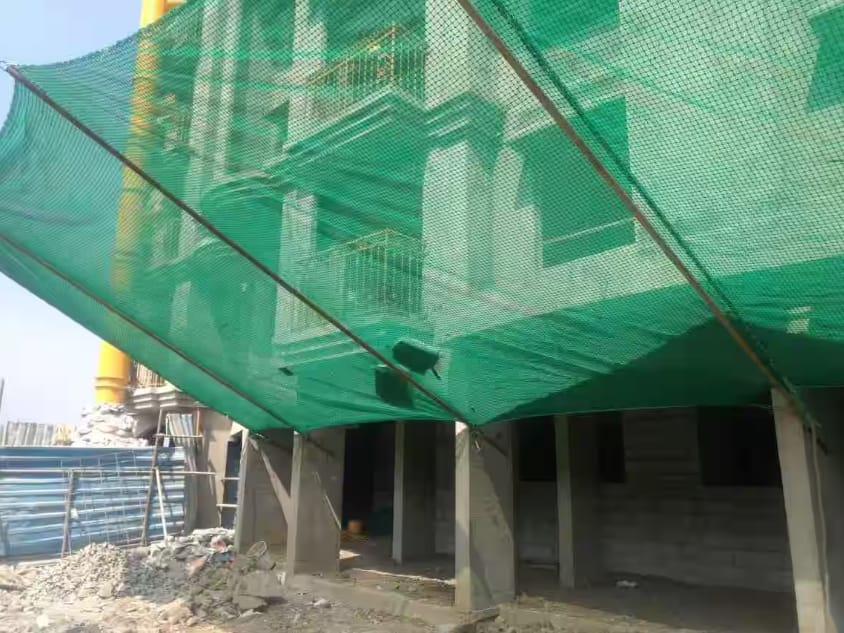
Moreover, integrating safety netting into a holistic safety plan greatly enhances its effectiveness. This involves instructing workers on the proper use and advantages of safety netting as part of the overall fall protection strategy. Encouraging a culture of safety, where every worker knows their role in maintaining safety nets and communicating problems, will create a more secure working environment. Adopting these recommended strategies not only meets regulatory requirements but also contributes to diminishing the risk of accidents and enhancing overall site productivity.