

Directional drilling techniques has changed the way we approach infrastructure projects, providing creative solutions that go past the conventional methods of excavation. As metropolitan areas grow and the demand for infrastructure increases, the need for efficient, less intrusive installation techniques becomes essential. This is where directional drilling excels, allowing for the tactical placement of pipes and cables beneath the surface without the mess and disruption of traditional trenching.
In this write-up, we will explore the multifaceted advantages of directional drilling, highlighting its benefits for current infrastructure projects. From lessening surface disruption and protecting the environment to enhancing safety and cutting costs, directional drilling offers a wealth of opportunities for various applications such as utility installation, fiber optics, and renewable energy. Accompany us as we explore the complexities of this technology, providing a thorough guide that addresses everything from the drilling process to issues and advancements in the field.
Key Benefits of Directional Drilling
This technique offers substantial benefits for modern infrastructure projects, primarily by minimizing surface impact. This advanced technique allows for the installation of utilities below ground without the need for the requirement for major excavation. As a result, it preserves the integrity of roadways, green spaces, and current structures. This capability is particularly beneficial in city environments where surface accessibility is restricted, enabling quicker project finishing and reducing the ecological footprint associated with standard trenching approaches.
A further notable benefit of this method is its versatility in multiple uses. It can be successfully used for the laying of pipelines, fiber cables, and utility lines. This adaptability makes it a preferred solution for both construction and repair projects. By employing directional drilling, contractors can manage complex ground conditions and barriers, guaranteeing that projects stay on time and on budget. Furthermore, https://gmaccontractors.com/best-horizontal-directional-drilling-ireland/ enhances the capability to access hard-to-reach places that conventional techniques may find problematic.
Economical operation is also a key benefit of directional drilling. The reduced need for surface restoration and the ability to complete projects faster lead to decreased costs. Unlike conventional digging methods, where significant restoration work are often required, minimized trenching reduces the quantity of resources that needs to be replaced or repaired after completion. This financial benefit makes it an favored method for infrastructure development, encouraging numerous cities and organizations to consider its use in their projects.
Grasping the Directional Excavation Method
Angled drilling is an advanced technique that enables for the setup of infrastructure and other infrastructure without the need for standard trenching methods. The procedure begins with careful planning and evaluating to determine the most suitable drilling route. Engineers use digital modeling to develop specific blueprints that take into account the current soil and geological context, including soil characteristics and barriers. This initial step is crucial, as it lays the groundwork for a successful drilling operation by reducing hazards and maximizing productivity.
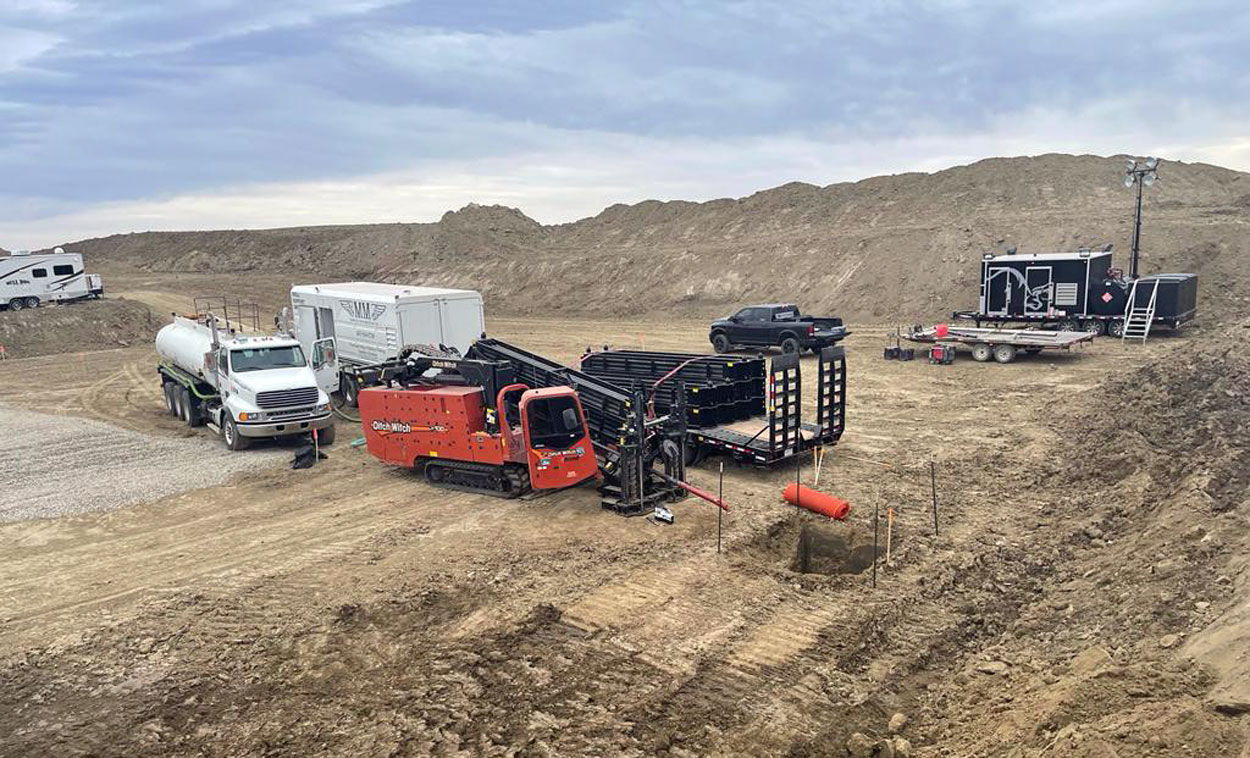
Once designing is concluded, the boring process itself involves several key factors. A boring machine generates the necessary torque, while custom drill bits pierce through the soil. The use of muds is vital, as they ease the cutting head and maintain a safe temperature while also stabilizing the excavation shaft. Throughout the drilling, operators continuously track the path of the drill using advanced guidance tools, making sure that the trajectory is correct and consistent with plans.
As the excavator progresses, the placement of the infrastructure, such as fiber optic cables, is performed concurrently. This technique limits ground disturbance and decreases the necessity of significant digging. Upon finalization of the boring, conclusive inspections are conducted to ensure the integrity of the placement. The whole operation stresses security and environmental stewardship, making directional boring an indispensable approach in modern infrastructure works.
Contrasting Directional Boring and Conventional Methods
Directional offers notable superiorities compared to legacy excavation methods, particularly within urban areas. One of the main of the primary advantages entails the reduction in surface disruption. Although traditional techniques involve significant digging, resulting in destroyed roads and disrupted landscapes, this method enables the installation of infrastructure below the ground, keeping streets, walkways, and green spaces intact. This lessens the impact on regular commuting as well as enhances the total effectiveness of installation projects.
Another key distinction lies in the speed and cost-effectiveness between these approaches. This technique generally requires less duration to execute compared to traditional trenching, as it bypasses the requirement of significant site preparation and restoration. Consequently, projects can be finished faster while using fewer labor hours, resulting in lower costs for customers. Moreover, maintaining current facilities while conducting the drilling process can be overseen more efficiently without the need for the extensive ground disturbance conventional approaches necessitate.
Another consideration is safety is another a sector where directional drilling outperforms traditional techniques. The reduced digging leads to fewer risks to workers risks and fewer possible for injuries arising from exposed excavations. Additionally, given that directional drilling often involves advanced equipment and methods, it tends to include enhanced safeguards that guarantee safe operation. This focus on protection not just protects employees but also aids in preserving existing infrastructure and reducing liability concerns for builders and local governments together.